Paul Jolly Photography Chapter 17.1
The problem with mirrors
If a mirror is included in a photograph then a problem becomes apparent that the mind normally ignores;
dual reflections. There is one reflection from the front glass of the mirror and a second reflection
from the back of the glass (the reflection we normally think of).
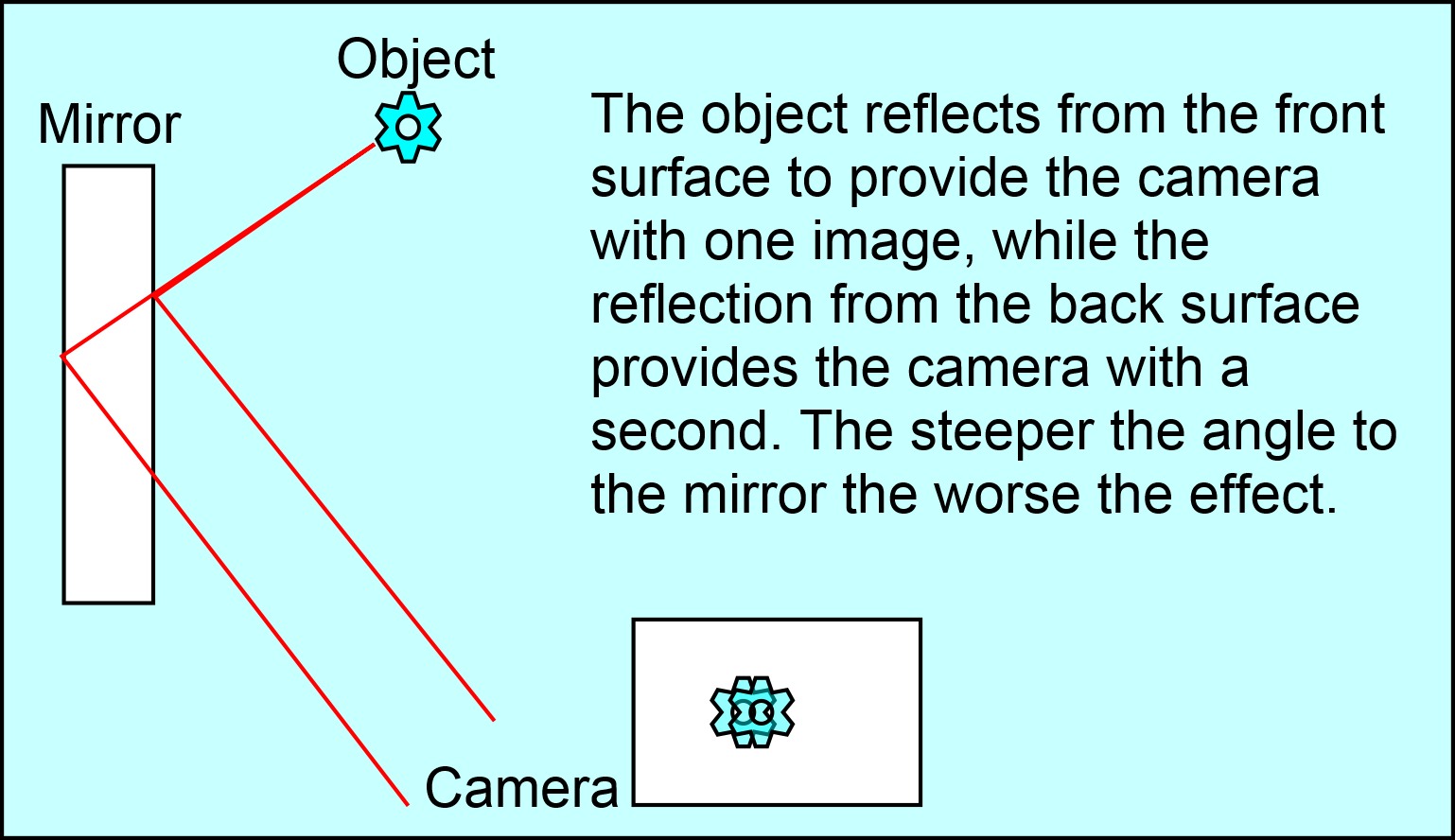
If a mirror is required in the shot, only use a front reflective mirror, there will then only be one
reflection in the photograph. We must also remember that the light reflected from a mirror is polarized
and thus the normal polarizing effects can be used (see next chapter).
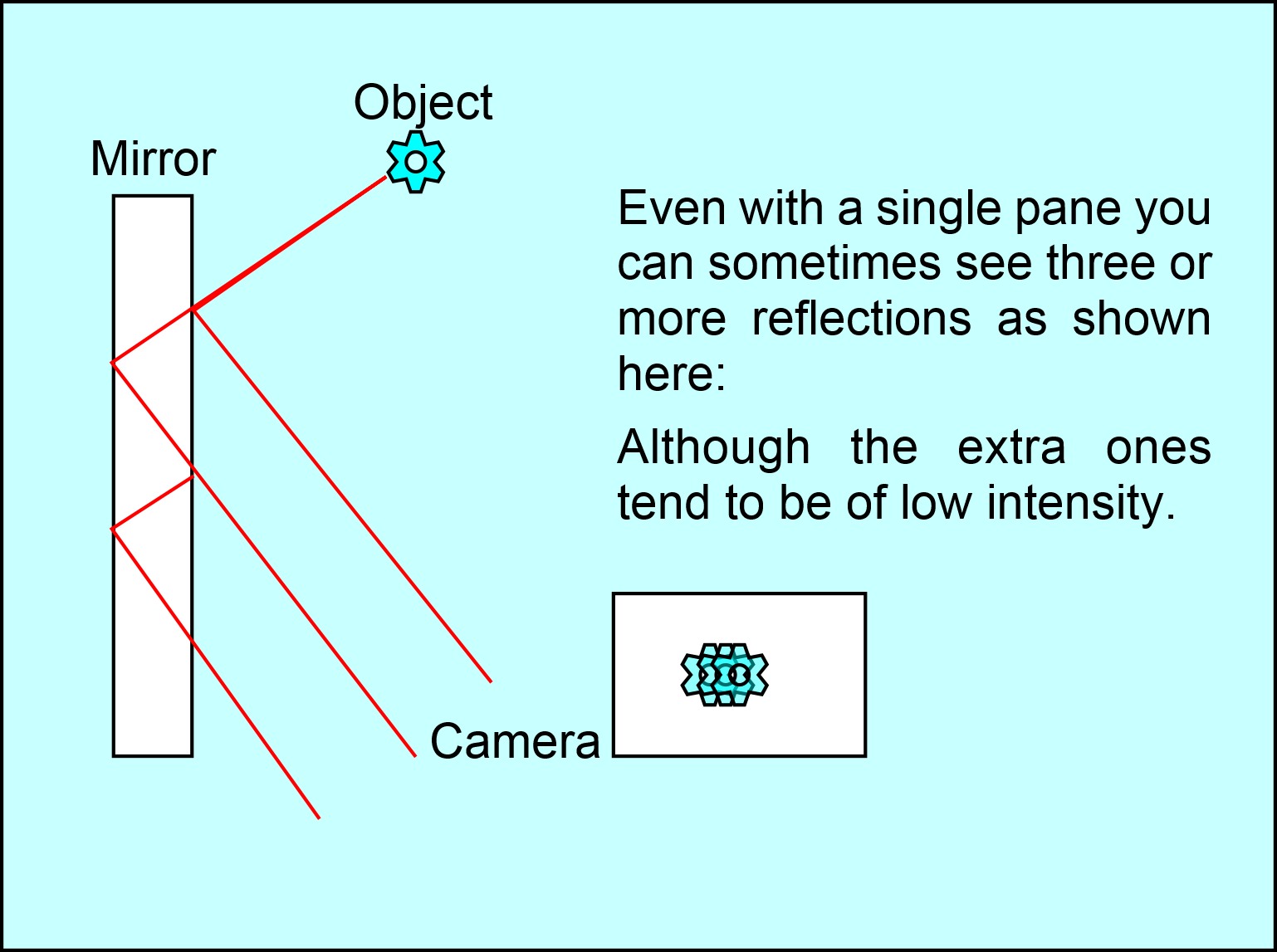
Is our problem just mirrors? Unfortunately no; window glass has the same effect. To make matters worse
double glazing has four surfaces the separation between the panes augmenting the effect. Where triple
glazing is installed you will see at least six reflections!
This can also be a problem if a filter is added between the back of the lens and the sensor.
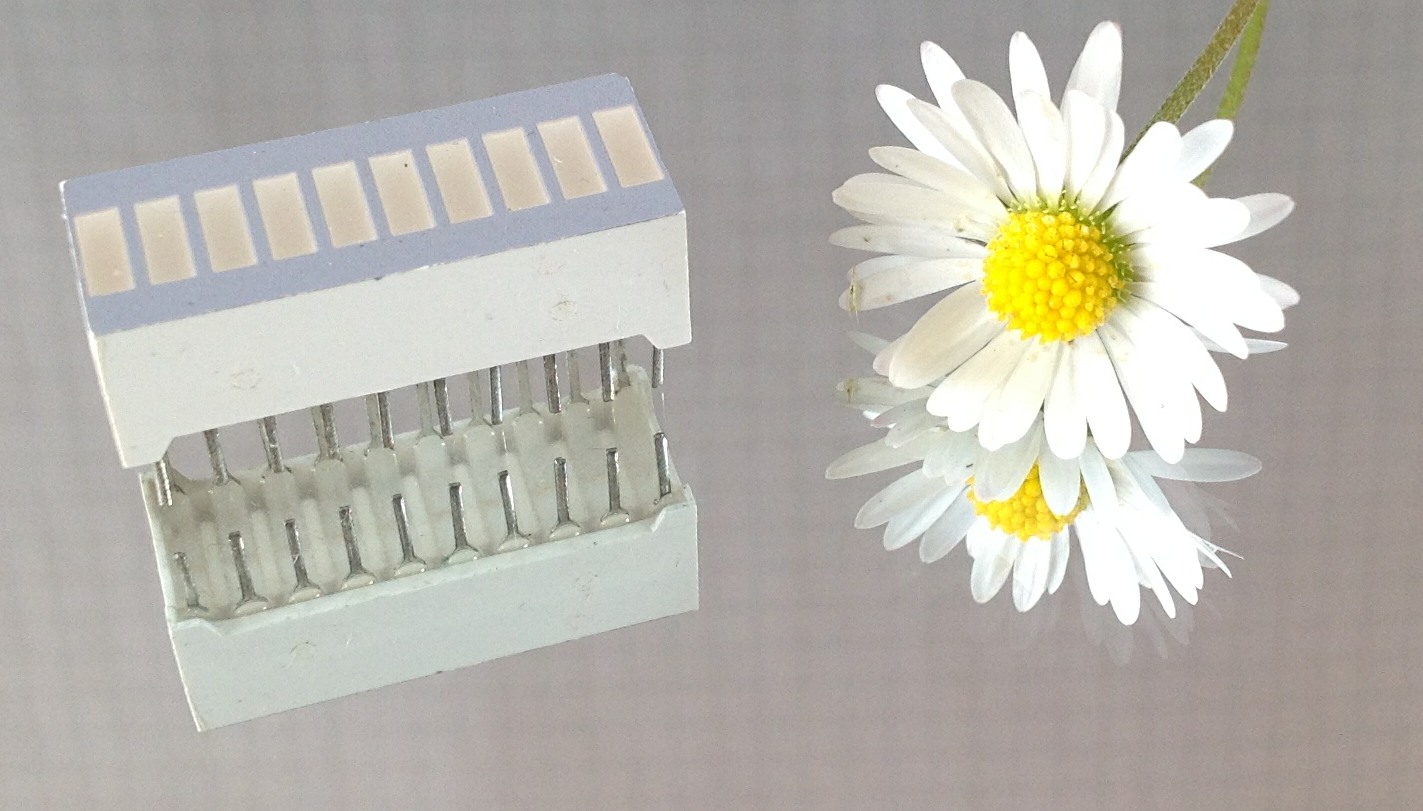
The picture above has been taken with the objects on a normal mirror. As you can see the reflection is
from the back of the mirror which requires the light for the lower inverted part of the image to
transverse the thickness of the mirror twice: This produces a gap between the object and the
reflection making the primary image appear to float above the surface. This illusion happens
because the normal human experience is that of reflections on water where objects such as reeds
or trees grow through the water surface, where as insects tend to be above the reflective surface.
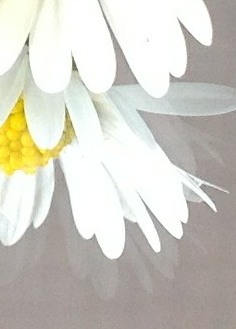
Looking closer at the photograph (view the image below) we can see the secondary reflection below
the petals of the first reflection as per the drawing on the previous pages.
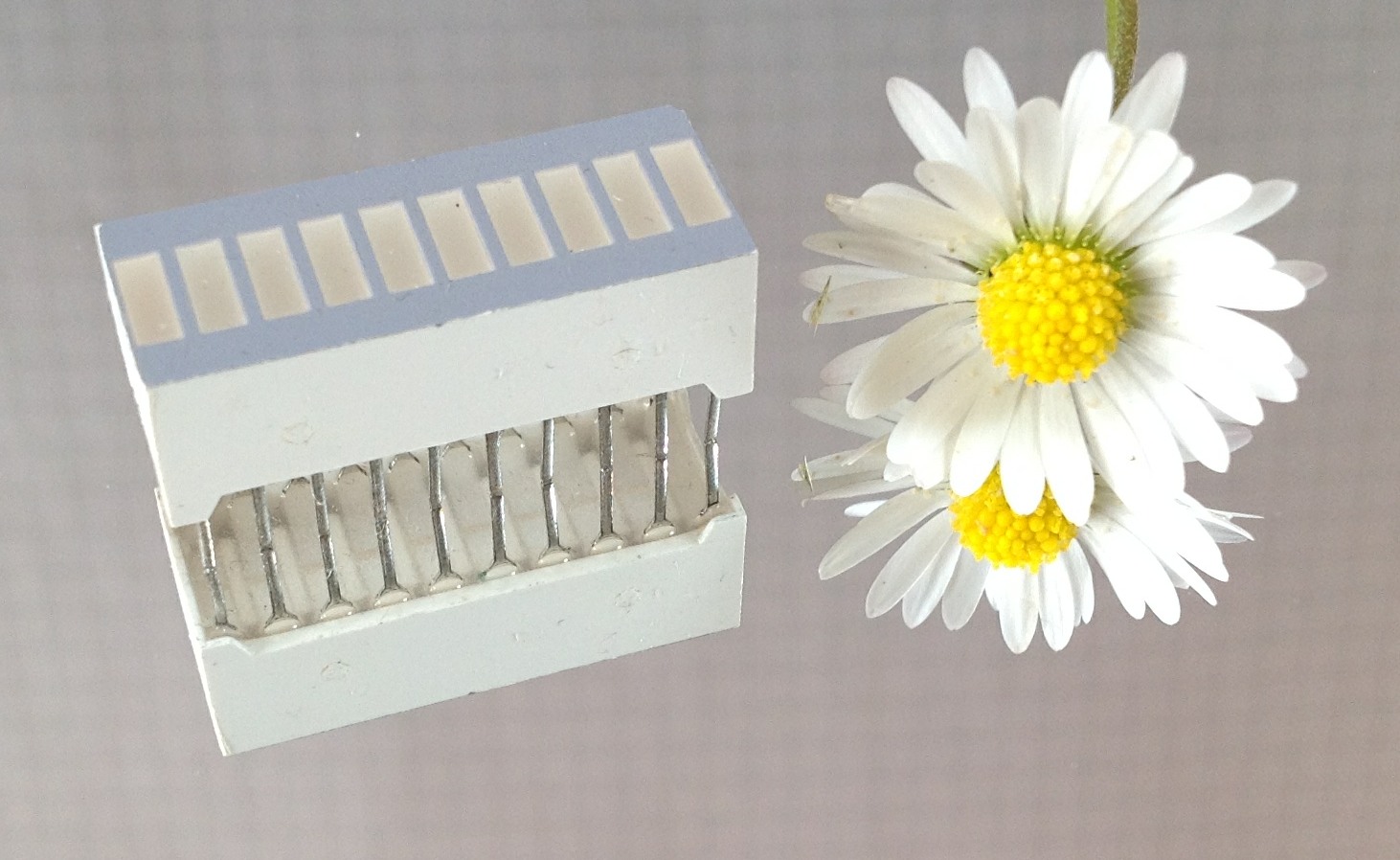
The above picture was taken using a front silvered mirror; this produces a more natural reflection
giving the effect of the objects touching the surface of water although there is no meniscus at the intersections.
You can also see there is no secondary reflection producing a clearer primary reflection image.
The problem with front silvered mirrors is that of ruggedness, the surface is very easy to damage as
there can be no protective layers over it (otherwise it would not be front silvered).
Mirrors of this kind are more expensive as they are not in mass demand but can be obtained with careful searching on-line.


(C)2024 P.Jolly. Page last updated 20240713